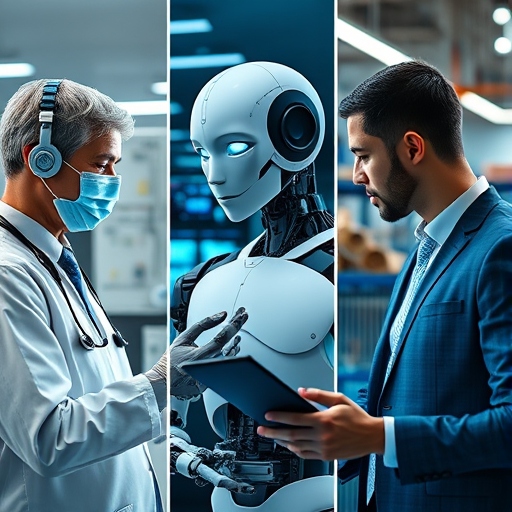
Artificial Intelligence (AI) is transforming the way we live, work, and interact. From its conceptual roots to real-world applications, AI has grown into one of the most revolutionary technologies of our time. On this website, journey through the early beginnings of AI, explore its modern applications, and glimpse into the future of this fascinating field.
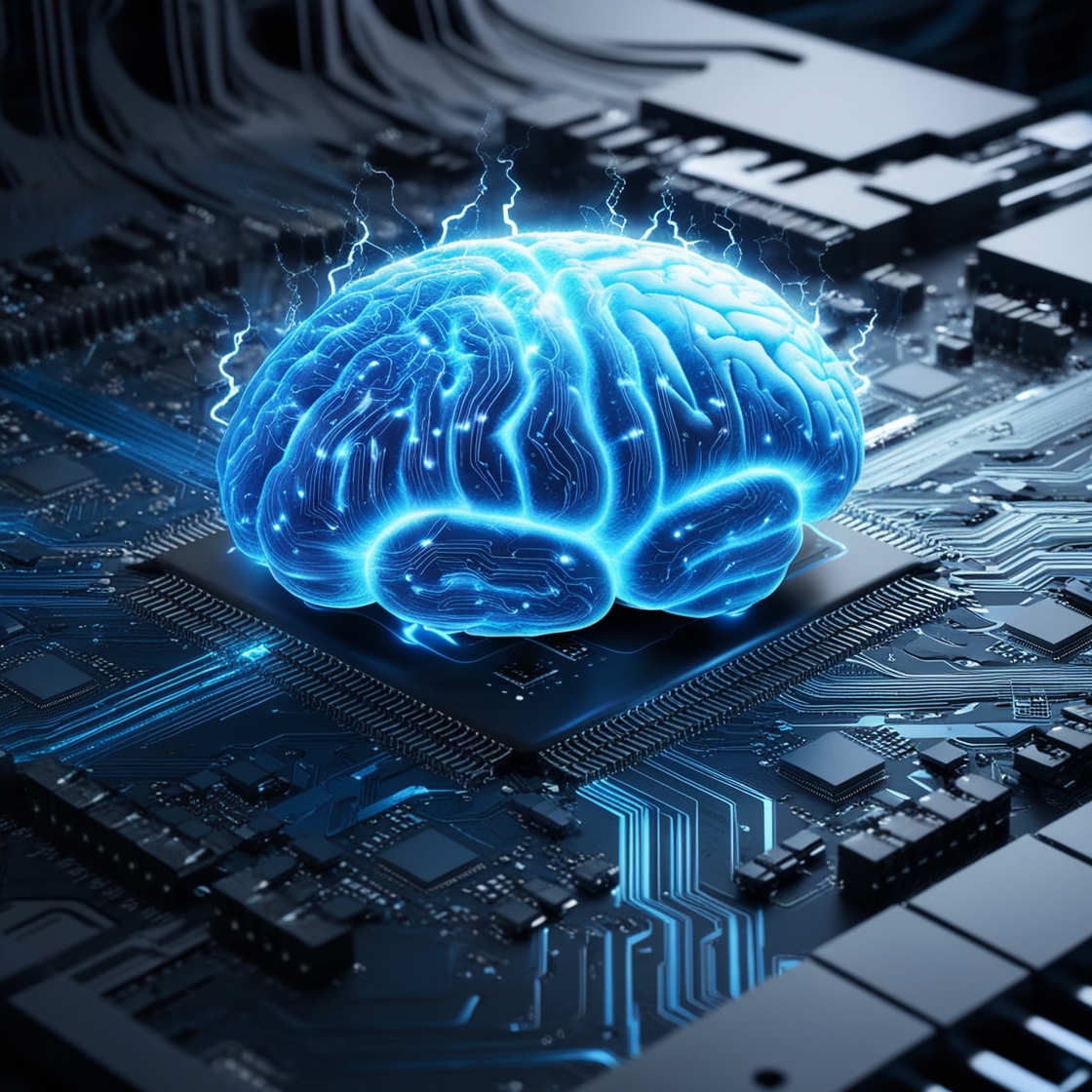
Artificial Intelligence (AI) refers to the simulation of human intelligence by machines. It enables systems to perform tasks such as decision-making, problem-solving, and natural language understanding. AI systems learn and adapt from data, making them capable of improving over time.
AI combines various technologies like machine learning, deep learning, and natural language processing. These components work together to mimic human cognitive functions, allowing systems to process information, identify patterns, and make predictions.
AI is reshaping industries by automating processes, increasing efficiency, and driving innovation. From healthcare to transportation, AI enhances human capabilities and addresses complex challenges.
The idea of AI dates back to ancient myths of mechanical beings. Modern AI began with Alan Turing's theoretical framework in the 1950s and has since evolved through decades of groundbreaking research and advancements.
AI has revolutionized fields like healthcare with diagnostic tools, robotics with automation, and finance with fraud detection. Its versatility allows businesses to optimize operations and deliver better outcomes.
AI is embedded in daily life, from virtual assistants like Siri and Alexa to recommendation systems on Netflix and Amazon. These technologies simplify routines and enhance user experiences.
AI thrives on data. With the rise of IoT and digital platforms, vast amounts of data are processed to train AI systems, enabling them to learn and improve.
The widespread adoption of AI raises ethical concerns, such as bias in algorithms, data privacy issues, and the risk of job displacement. Addressing these challenges is critical for responsible AI development.
Future AI systems are expected to surpass current capabilities in areas like language understanding, creativity, and decision-making, making them indispensable tools in every sector.
AI will increasingly assist humans in creative and technical fields, fostering innovation and enabling new forms of collaboration. This synergy will redefine productivity.
Advancements in AI will lead to autonomous vehicles, smart cities, and self-regulating ecosystems, paving the way for safer, more sustainable societies.
Ongoing research into ethical AI development focuses on creating systems that prioritize fairness, inclusivity, and safety, ensuring positive societal impacts for the long term.